Converting a regular cycle to electric: what a kit actually changes
What an electric cycle conversion kit contains, the four motor layouts, the fit checks that matter, and when converting beats buying a complete e-cycle.
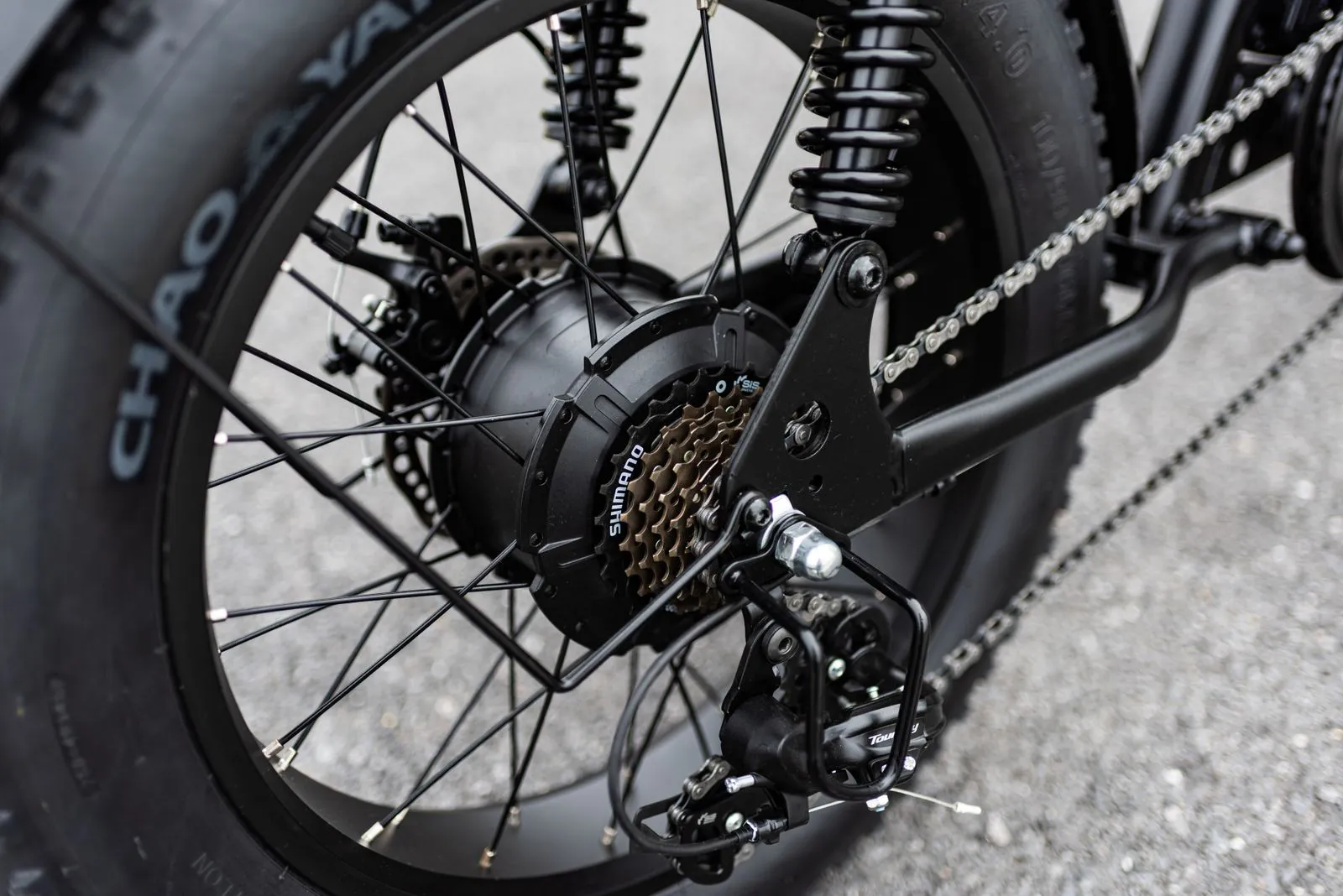
There is a good chance the bicycle already in your home is the most affordable starting point for electric assistance. Electric cycle conversion kits exist precisely for this: keep the frame, fit and feel you know, and add a motor, a battery and a control system around them. It sounds simple, and sometimes it is. But a kit changes more about a cycle than its speed, and the buyers who end up happiest are the ones who understand what is being added, where it sits, and what it asks of the rest of the bike.
This guide walks through what a conversion kit contains, the four main layouts, the compatibility checks that decide whether a kit will even fit, and the honest trade-offs of converting instead of buying a complete electric cycle.
What a conversion kit actually is
Strip away the marketing and every kit is the same four parts arranged differently:
- A motor. Either built into a replacement wheel (hub motor), mounted at the cranks (mid-drive), or pressed against the tyre (friction drive).
- A battery. Usually the single most expensive component. Critically, not every kit is sold with one, so check the box contents before comparing prices. Our electric cycle battery guide explains how to read the capacity numbers.
- A controller and wiring. The electronics that decide how much power flows and when.
- A control interface. A handlebar display or a simple button unit to choose assistance levels, sometimes paired with a throttle where local rules allow one.
Kits are sold through manufacturers directly and through large online marketplaces, at quality levels that vary just as widely. The layout of the motor is the first real decision, because it determines how the converted bike will ride.
The four layouts, and what each one asks of your bike
Front hub: the simplest swap
A front hub kit arrives as a complete front wheel with the motor already laced in. You remove your front wheel, fit the motorised one, route the cable to the battery and controller, and you are most of the way there. It is the layout most first-time converters choose because installation is close to an ordinary wheel change.
The compromises live in the steering. The front wheel carries relatively little of your weight, so a motorised front wheel can spin briefly on wet or loose surfaces when the power arrives. The added mass in the fork also changes how the steering feels, and if the battery mounts up front as well, the effect compounds. The replacement wheel must match your bike exactly: the same diameter, the same width between the fork legs, the same axle standard, and the same brake type, whether disc or rim.
Rear hub: quick to fit, harder on the wheel
A rear hub kit works the same way, one wheel out, one wheel in, but the motor sits under your body weight. Traction is better than at the front, and the power delivery feels more natural because most riders are used to being pushed from the back wheel.
The rear position brings its own demands. The cable run from battery to motor is longer and has to be routed so it never catches while you pedal. The motor’s torque travels through the wheel’s spokes, and on a lower-quality wheel that can mean broken spokes over time; many kits add a brace that ties the axle to the frame, which loads the frame in a direction it was not designed for. If your cycle’s rear wheel is already old or lightly built, budget for a stronger wheel or have a bike shop assess it before the first long ride.
Mid-drive: the neatest ride, the fussiest fit
A mid-drive kit replaces the bottom bracket area, so the motor drives the chainset and sends power through the chain and gears, exactly where your legs put it. The weight sits low and central, which keeps the bike’s handling closest to normal, and because the motor works through the gears it can stay in an efficient range on hills.
Two catches matter. First, fit: bottom bracket shells come in several widths and diameters, and a kit must match yours. Many everyday cycles use a standard threaded shell, which helps, but it has to be confirmed, not assumed. Second, wear: the motor’s torque goes through the chain and cassette on every ride, so drivetrain parts that were sized for human power alone will wear faster. Treat the chain as a consumable and check it more often than you used to.
Friction drive: the minimalist outlier
A small category of kits drives the rear tyre directly with a powered roller mounted above it, often with the battery built into the same unit. Fitting one can be as quick as clamping it to the seatpost, which makes it tempting as a try-it-and-see option.
The friction approach trades refinement for that simplicity. It is noisier, it wears the tyre where the roller presses, it can slip in the wet, and the combined motor-and-battery unit is a heavy thing to carry when it is off the bike. It suits occasional assistance more than daily commuting.
The checks that decide whether a kit fits at all
Before comparing power figures or prices, confirm the boring measurements. They are where most failed conversions begin:
- Wheel diameter and width for hub kits, measured against the actual wheel you will replace, not the size printed in old paperwork.
- Dropout spacing and axle type on the fork or rear triangle.
- Brake standard. A disc-brake wheel in a rim-brake fork (or the reverse) is a non-starter.
- Bottom bracket shell width and threading for mid-drive kits.
- Battery contents and mounting. Whether the battery is included, and where on your frame it can physically and safely live.
- Local rules. Many countries limit road-legal electrically assisted cycles to around 250 watts and assistance that cuts out at about 25 km/h, and some do not permit throttle-only operation. The exact limits vary by country and sometimes by state, so check the rules where you will ride before choosing a motor rating.
What changes on the bike you already own
A converted cycle is heavier, by the weight of the motor and battery together, and you will feel that whenever you lift it onto a stand or carry it upstairs. The handling shifts depending on where the mass went. The brakes, tyres and drivetrain all work harder than they did, because average speeds rise even when effort stays the same. And the frame and fork take loads their designers did not necessarily plan for, which is why the quality of the original bike matters: a sturdy, well-maintained cycle converts far more gracefully than a tired one.
None of this argues against converting. It argues for converting with your eyes open, on a bike worth keeping, with a shop check after the first few hundred kilometres if anything creaks, loosens or feels different.
Convert, or buy a complete electric cycle?
A kit makes the most sense when you already own a good-quality cycle you like, when the layout you want is available for its measurements, and when the combined price of kit plus battery lands clearly below a comparable complete electric cycle. A complete bike makes more sense when the frame, wiring, battery integration and warranty being designed together matters to you, or when your current cycle would need a new wheel, new brakes or a new drivetrain to handle the conversion, at which point the savings evaporate.
The honest answer is that both routes end at the same place: a familiar ride with the hills flattened. The kit route simply asks you to be the engineer for one afternoon, or to pay a mechanic to be.
Related read
EMotorad’s own guide to electric cycle conversion kits looks at the same convert-or-buy decision from a manufacturer’s side, including the compatibility and legal-compliance checks.
Frequently asked questions
Will a conversion kit fit any cycle? No. Hub kits need a matching wheel size, dropout width, axle type and brake standard. Mid-drive kits need a compatible bottom bracket shell. Measure first, buy second.
Does the kit come with a battery? Sometimes, but not always. Battery-included and battery-excluded kits can look identical in a listing, so confirm the contents before comparing prices.
Will converting wear my cycle out faster? The parts that take motor torque wear faster: the chain and cassette on mid-drive conversions, and spokes on hub conversions. Regular checks keep this manageable, and sturdy original components cope best.
Is a converted cycle legal on the road? It depends on where you ride. Many regions cap motor power and assisted speed and restrict throttle use. Check the local rules before choosing a kit’s power rating.
How hard is installation? Front and rear hub kits are close to a wheel swap plus careful cable routing. Mid-drive kits are more involved. If you are not comfortable with bicycle mechanics, a bike shop can fit a kit and will also spot compatibility problems early.
Sources
- Cyclingnews, “Types of e-bike conversion kit”: kit layouts, installation and handling trade-offs, bottom bracket compatibility, regulation overview (UK/EU/Australia 250W and 25kph, differing US rules), batteries not always included. https://www.cyclingnews.com/features/types-of-e-bike-conversion-kit/
- Image: F x via Pexels, close-up of an electric bicycle drivetrain showing the hub motor and gear mechanics. Free Pexels licence. https://www.pexels.com/photo/close-up-of-electric-bicycle-drivetrain-32139241/
Regulations, product contents and kit designs change; confirm current details with the kit manufacturer and your local road rules before buying.